
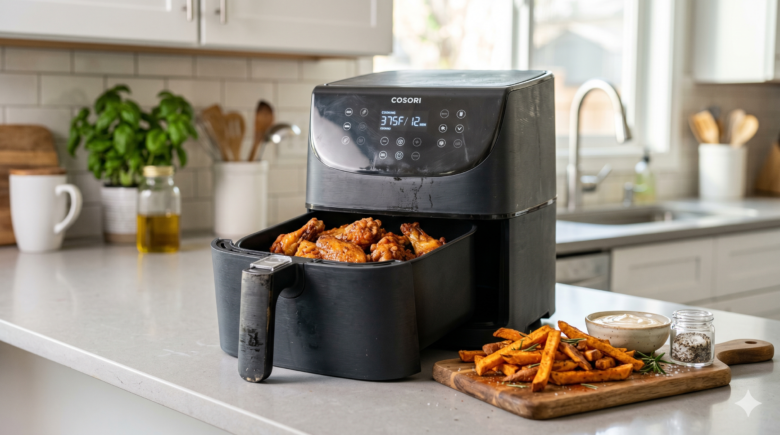
An air fryer is one of the most convenient kitchen appliances you can own. From crispy fries and juicy chicken wings to roasted vegetables and quick weeknight meals, it can dramatically simplify cooking while delivering excellent results. But like any appliance, an air fryer won’t last forever.
If you’ve noticed longer cooking times, unusual noises, uneven cooking, or declining performance, you may be wondering whether your air fryer is nearing the end of its lifespan. Understanding how long an air fryer should last—and what factors affect its longevity—can help you make smarter maintenance decisions and know when it’s time for a replacement.
The good news is that most air fryers can provide years of reliable service when used and maintained properly. In this guide, you’ll learn the average lifespan of an air fryer, the warning signs of wear and tear, and the best ways to extend the life of your appliance.
What Is the Average Lifespan of an Air Fryer?
Most quality air fryers last between 3 and 7 years.
The exact lifespan depends on several factors, including:
- Build quality
- Frequency of use
- Maintenance habits
- Cooking temperatures
- Storage conditions
A premium air fryer used and cleaned properly may last well beyond seven years, while a lower-quality model used heavily every day may begin experiencing problems much sooner.
Typical Lifespan by Usage
| Usage Frequency | Expected Lifespan |
|---|---|
| Occasional Use | 6–8 Years |
| Regular Use | 4–7 Years |
| Daily Use | 3–5 Years |
| Heavy Daily Use | 2–4 Years |
While these numbers are estimates, they provide a realistic expectation for most households.
What Affects Air Fryer Longevity?

Not all air fryers age at the same rate. Several important factors influence how long an appliance will continue performing effectively.
Build Quality
The quality of materials and components plays a major role.
Premium air fryers often feature:
- Stronger fan motors
- More durable heating elements
- Better electronic components
- Higher-quality baskets and coatings
Budget models can still perform well but may show signs of wear sooner.
Frequency of Use
An air fryer used once a week experiences far less wear than one used multiple times every day.
Heavy use places additional strain on:
- Fan motors
- Heating elements
- Control boards
- Basket mechanisms
The more frequently you cook, the more important regular maintenance becomes.
Cleaning Habits
Grease and food residue are among the biggest enemies of air fryer longevity.
When buildup accumulates:
- Airflow becomes restricted
- Components overheat
- Fan performance declines
- Cooking efficiency decreases
Consistent cleaning helps prevent unnecessary wear.
Cooking Temperatures
Repeatedly cooking at maximum temperatures can accelerate component aging.
High heat places additional stress on:
- Heating elements
- Temperature sensors
- Internal wiring
- Electronic controls
Using appropriate temperatures whenever possible helps reduce long-term strain.
Storage Conditions
Where and how you store your air fryer also matters.
Excessive humidity, dust, and poor ventilation can affect internal components over time.
A clean, dry storage environment helps preserve performance.
Signs Your Air Fryer Is Wearing Out
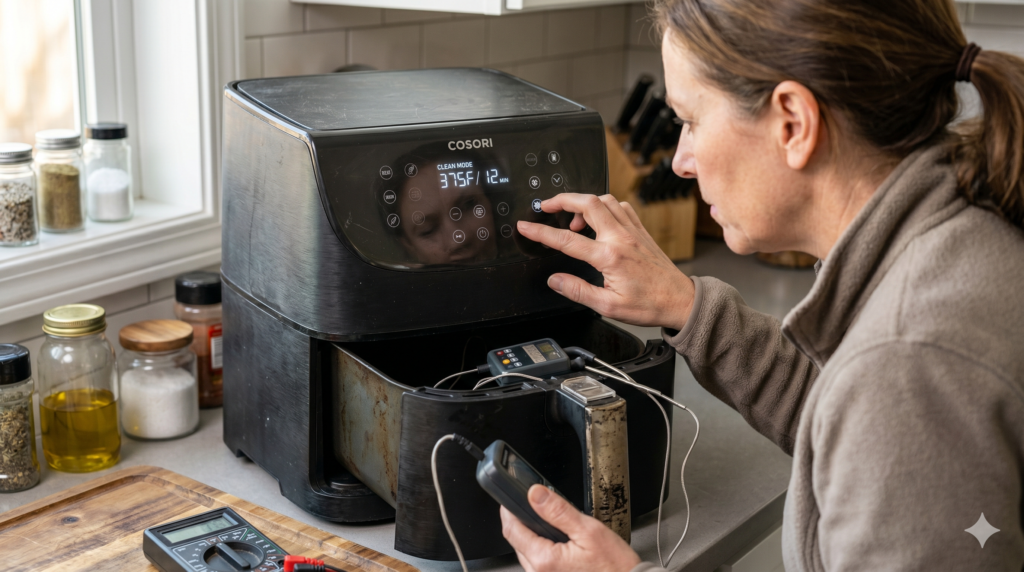
Even the best air fryers eventually begin showing signs of age.
Recognizing these warning signs early can help you decide whether repair or replacement makes more sense.
1. Longer Cooking Times
If foods suddenly require significantly longer cooking times, component wear may be affecting performance.
Potential causes include:
- Weak heating element
- Reduced airflow
- Fan problems
Longer cooking times are often one of the first noticeable symptoms.
2. Uneven Cooking
An aging air fryer may struggle to distribute heat effectively.
You may notice:
- Burnt spots
- Undercooked sections
- Inconsistent browning
This often points to airflow or heating system issues.
3. Fan Problems
The fan is critical to air fryer performance.
Warning signs include:
- Loud noises
- Grinding sounds
- Weak airflow
- Fan failing to start
A failing fan can significantly reduce cooking quality.
4. Electrical Issues
Electrical problems should never be ignored.
Potential warning signs include:
- Random shutdowns
- Flickering displays
- Power failures
- Error messages
These symptoms may indicate component wear or control board failure.
5. Damaged Basket Coating
Over time, nonstick coatings can wear down.
Signs include:
- Peeling surfaces
- Scratches
- Food sticking excessively
While basket replacement may be possible, severe wear can affect overall usability.
6. Persistent Burning Smells
Occasional odors may result from cooking residue.
However, persistent burning smells can indicate:
- Electrical issues
- Overheating components
- Fan motor problems
Professional inspection may be necessary if odors continue despite cleaning.
When Can an Air Fryer Be Repaired?
Not every problem requires replacing the appliance.
Many issues can be resolved through maintenance or part replacement.
Common Repairable Problems
- Dirty heating elements
- Basket alignment issues
- Fan obstructions
- Minor electrical connections
- Replaceable baskets and trays
If the repair cost is reasonable, extending the life of the appliance may be worthwhile.
When Is Replacement the Better Option?
There comes a point when replacement becomes the smarter financial decision.
Consider Replacing Your Air Fryer If:
- Multiple components are failing.
- Repair costs approach the cost of a new unit.
- Safety concerns are present.
- Performance continues declining despite maintenance.
- The appliance is well beyond its expected lifespan.
Modern air fryers often include improved efficiency, better safety features, and more advanced cooking programs.
Step-by-Step Air Fryer Health Check
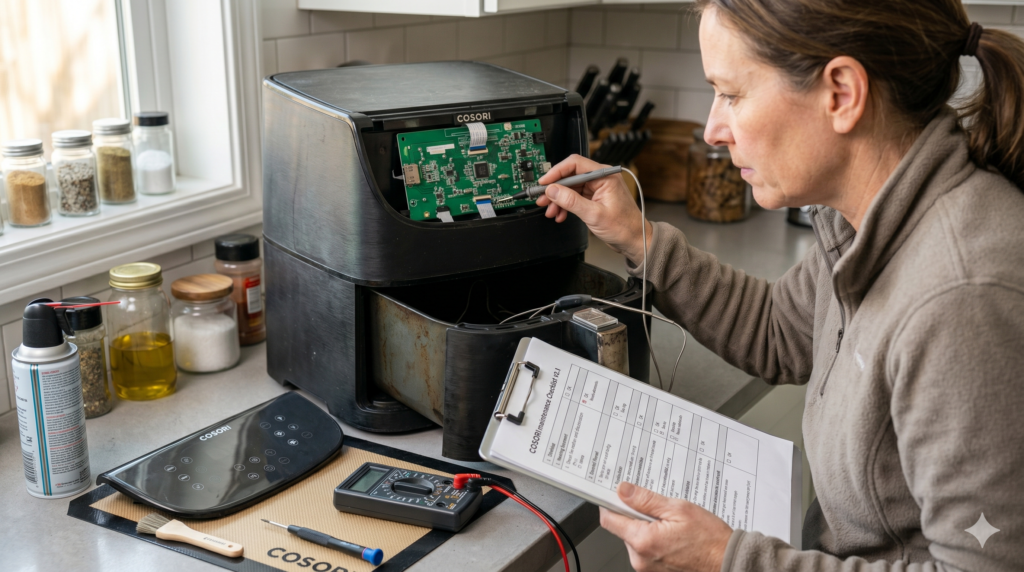
Not sure whether your air fryer is still in good condition?
Follow this simple inspection process.
Step 1: Check Cooking Performance
Does food cook evenly and within expected timeframes?
Step 2: Listen to the Fan
Does the fan sound smooth and consistent?
Step 3: Inspect the Heating Element
Look for excessive residue or visible damage.
Step 4: Examine the Basket
Check for peeling coatings or structural damage.
Step 5: Test the Controls
Ensure all buttons and settings respond correctly.
Step 6: Monitor Airflow
Verify that hot air circulates properly during cooking.
Step 7: Watch for Error Messages
Repeated errors may indicate deeper problems.
Completing this checklist provides a good picture of overall appliance health.
How to Make Your Air Fryer Last Longer
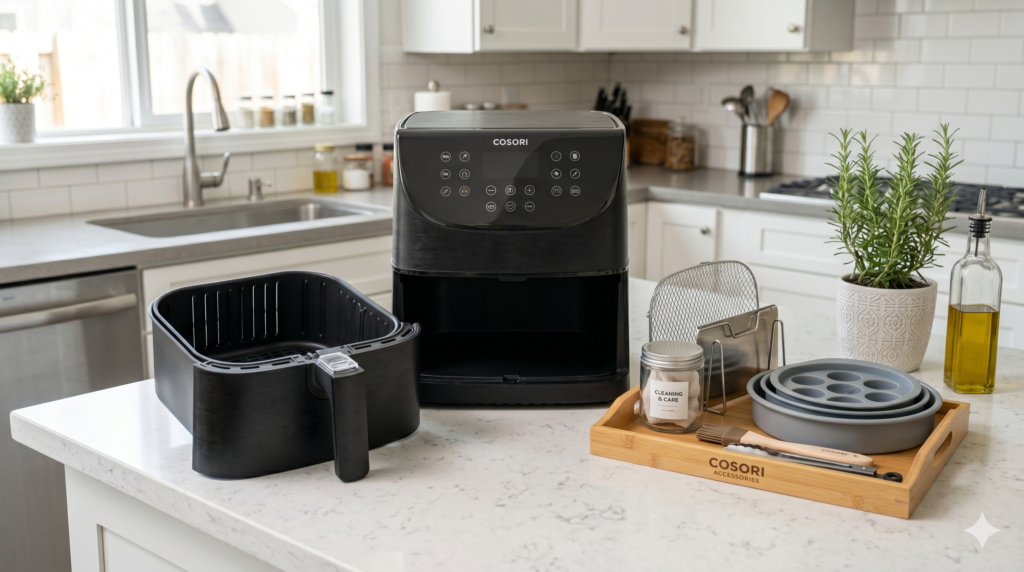
The best way to maximize lifespan is through proper care and maintenance.
Clean After Every Use
Remove grease and food residue before buildup becomes excessive.
Avoid Overcrowding
Proper airflow reduces strain on internal components.
Use Recommended Temperatures
Cooking at unnecessarily high temperatures can accelerate wear.
Handle the Basket Carefully
Avoid dropping or forcing components into place.
Keep Vents Clear
Blocked airflow can contribute to overheating.
Perform Routine Inspections
Regular checks help identify small problems before they become expensive repairs.
Can an Air Fryer Last More Than 10 Years?
In some cases, yes.
High-quality models that receive excellent care may remain functional for a decade or longer.
However, even if the appliance still operates, aging components may affect efficiency, safety, and cooking performance.
For many users, replacing an older unit becomes appealing once newer models offer significant improvements in technology and convenience.
Get the Most Value From Every Year of Use
An air fryer is an investment in convenience, healthier cooking, and everyday meal preparation. While most units are designed to last several years, their lifespan depends heavily on how they’re used and maintained. Simple habits such as regular cleaning, proper airflow management, and careful handling can dramatically extend the life of the appliance.
Understanding the signs of wear helps you stay ahead of potential problems and make informed decisions about repairs or replacement. Whether your air fryer is brand new or several years old, taking proactive care today can help ensure it continues delivering crispy, delicious results for years to come. And when the time eventually comes to upgrade, you’ll have the confidence to recognize exactly when your trusted kitchen companion has reached the end of its journey.